
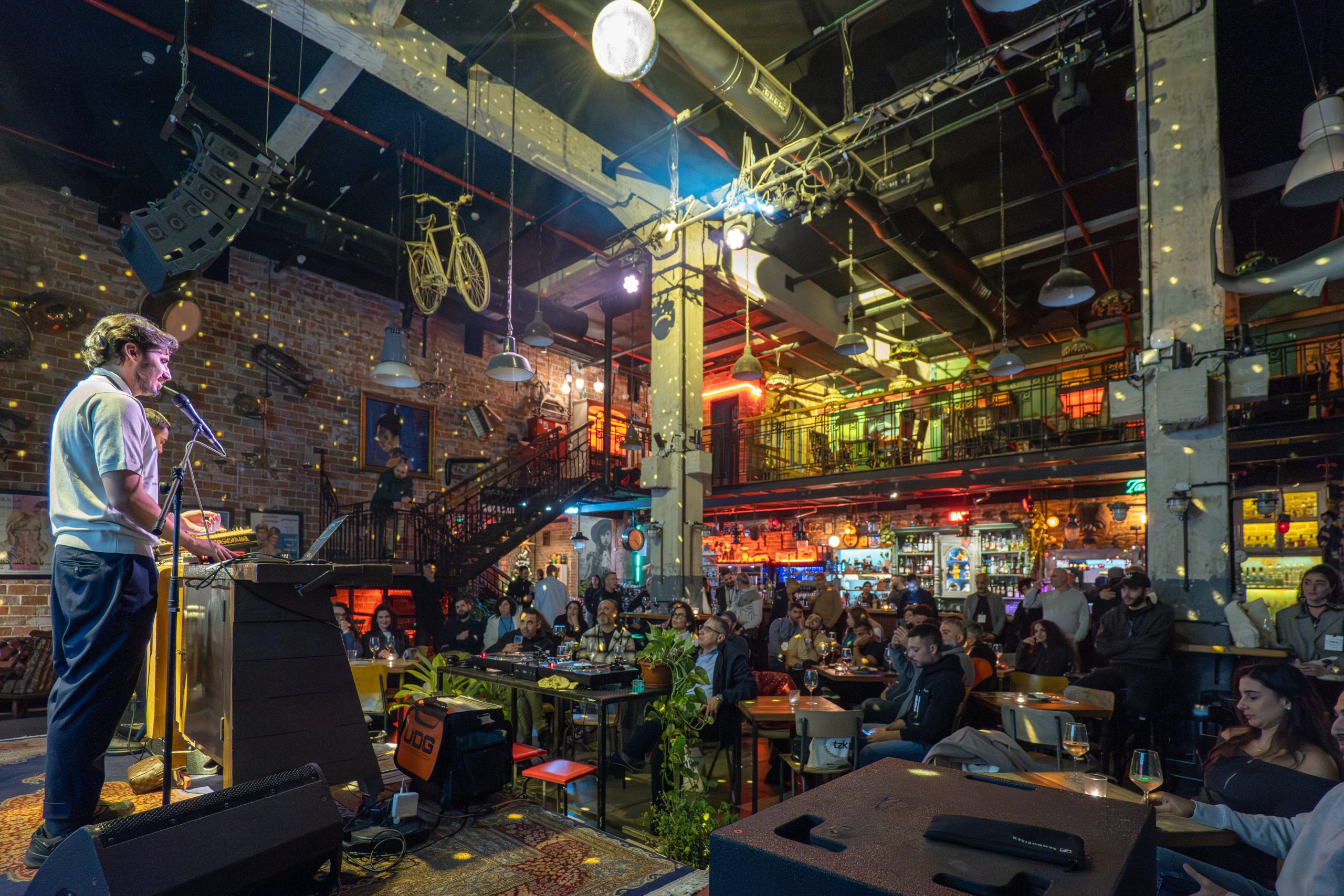
Tzkrti Organizers Night
The past two years have not been ordinary.
War, loss, and prolonged closures have reshaped cultural life across Palestine and the region. For many working in this field, the question was no longer how to move forward, but how to keep going.
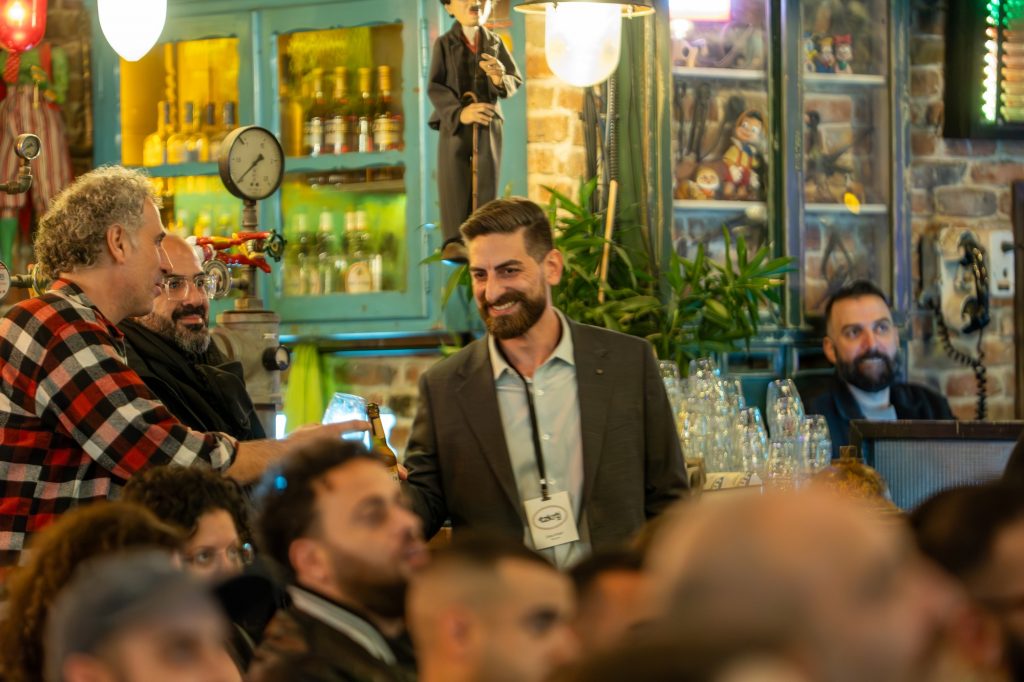
Within this context, Tzkrti’s Organizers Night, held at Fattoush Gallery, emerged as a rare space of gathering. Organizers, venue owners, artists, and long-time partners came together, people who continued working despite fragile conditions.
The evening was hosted by Mustafa Qabalawi, whose light, open-paced facilitation left room for conversation, presence, and exchange.
Music at the Center of the Gathering
The night featured two live performances.
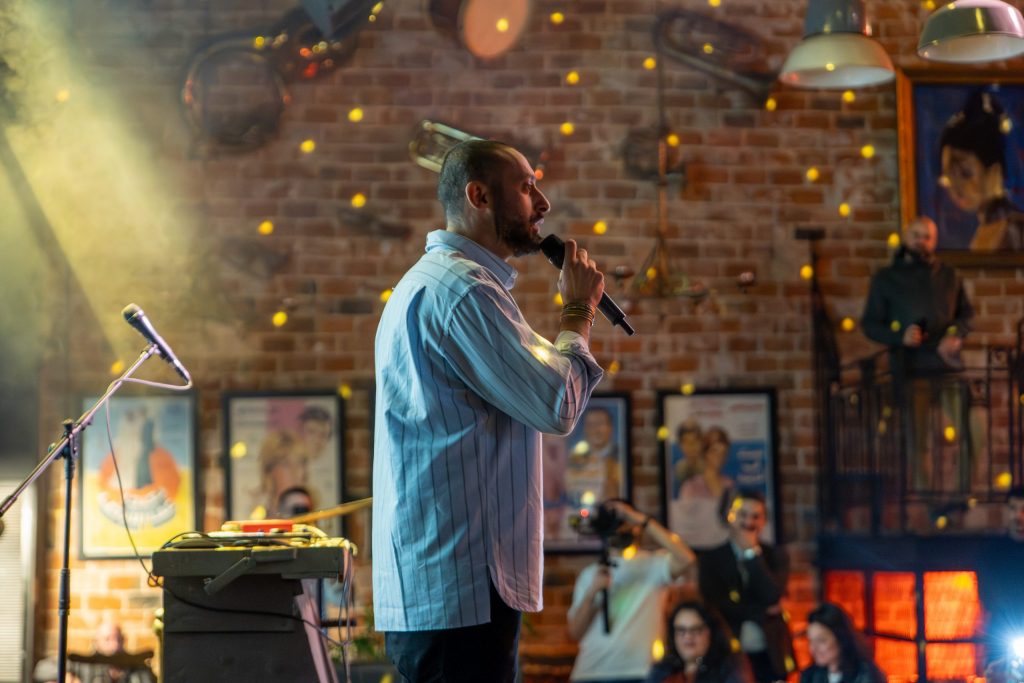
Tamer Nafar delivered a measured set, free of spectacle. His presence on stage felt like a continuation of a career long intertwined with political and social realities. The audience engaged with the performance as part of the evening’s wider context, rather than as a standalone moment.
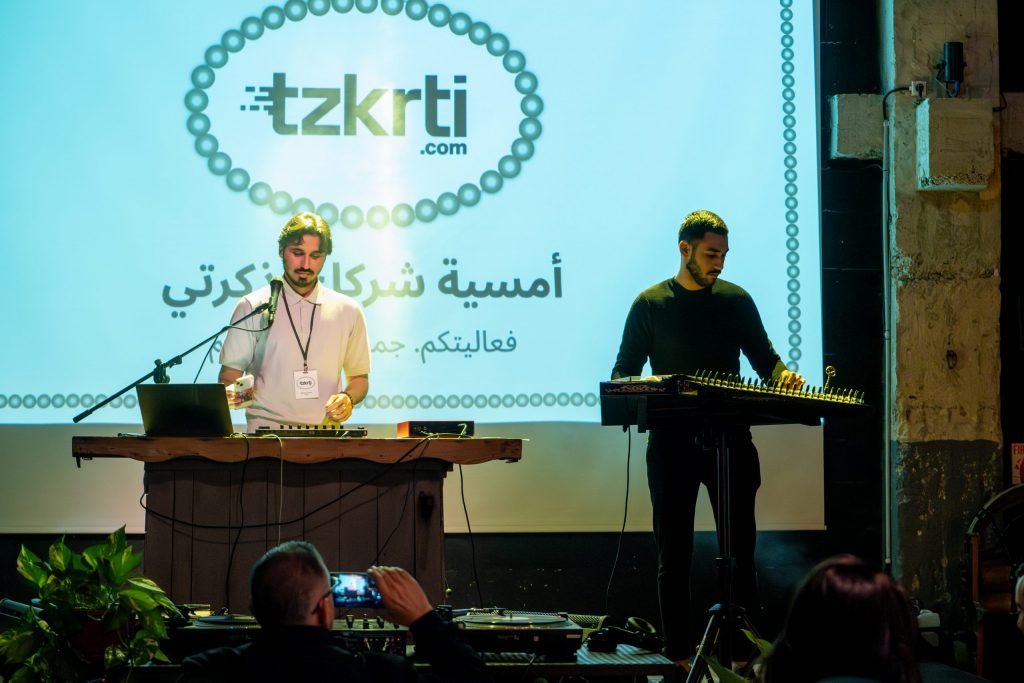
Later, RASALAS (Rabea Sliman) presented a performance marked by precision and depth, subtly shifting the room’s energy. Listening was attentive; the response unfolded gradually, then collectively, a moment where performer and audience met in shared focus.
From Listening to Movement
The evening concluded with a vinyl DJ set by Rojeh Khleif, Tzkrti co-founder and a long-standing figure in Palestine’s local cultural scene. His selections, drawn from across Southwest Asia and North Africa, extended the night rather than closing it, allowing the space to move from listening to motion, from focus to conversation.
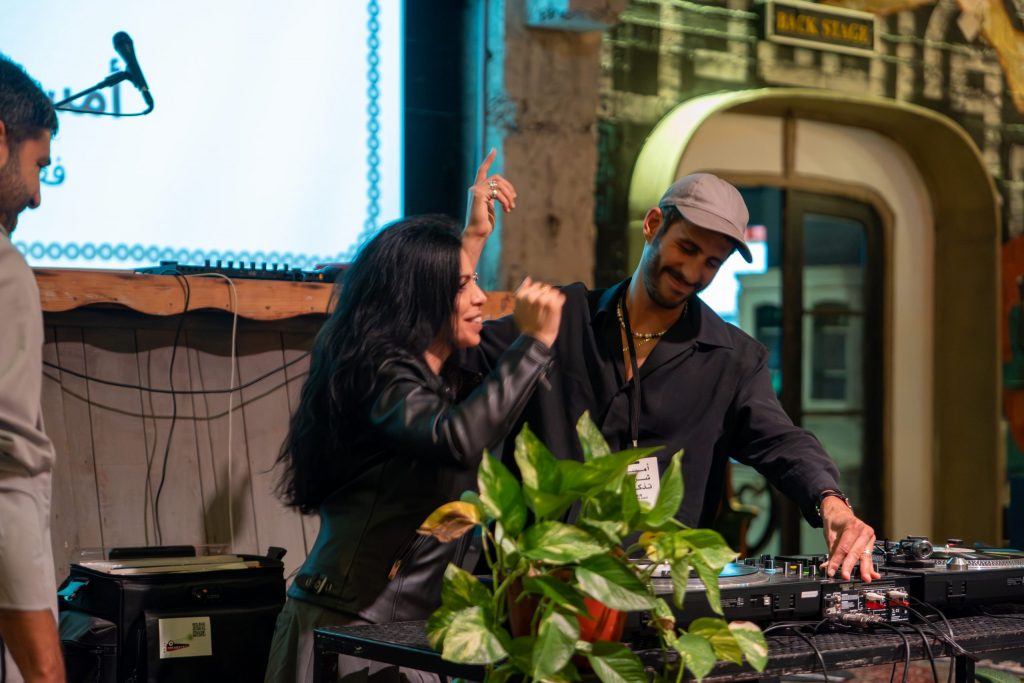
Many stayed well beyond the formal program, in a continuation of side conversations and encounters, away from the stage.
Who Was in the Room
What defined the night was not only what happened on stage, but who chose to attend.
Tzkrti’s core partners, organizers, venue owners, and artists, were present. Many of them have spent the past two years navigating cancellations, limited resources, and closed borders.
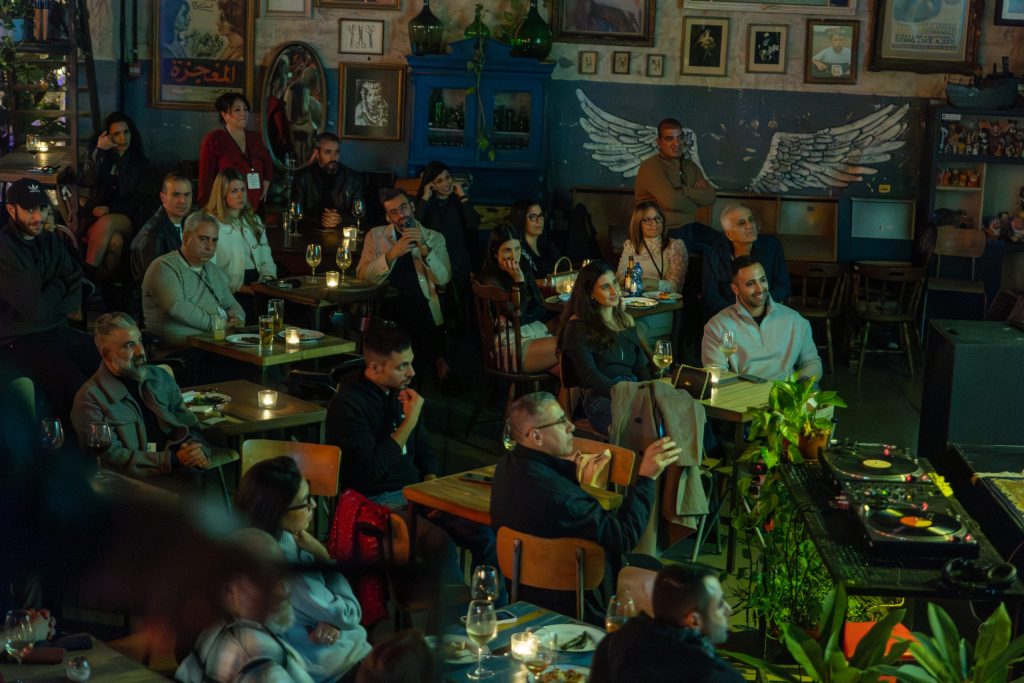
Reflecting on this relationship, Bashir Khoury said:
“Tzkrti was something we were missing for a long time. It made our lives easier andcreated a more direct, more human relationship with our audience.”
In another reflection, Ayman Nahas summed up a familiar equation in cultural work today:
“We are here to make art, not just business. Yes, there is a commercial side, but its purpose is to support art and culture.”
Khoury added, speaking to the platform’s communal dimension:
“When you hear the name Tzkrti, you don’t just think of tickets. You think of a gathering, of art, culture, encounters, and people you’ve been missing.”
Why This Night Mattered
In moments like these, culture cannot be treated as secondary. It is a space of connection, a point of grounding, and a way to preserve human ties.
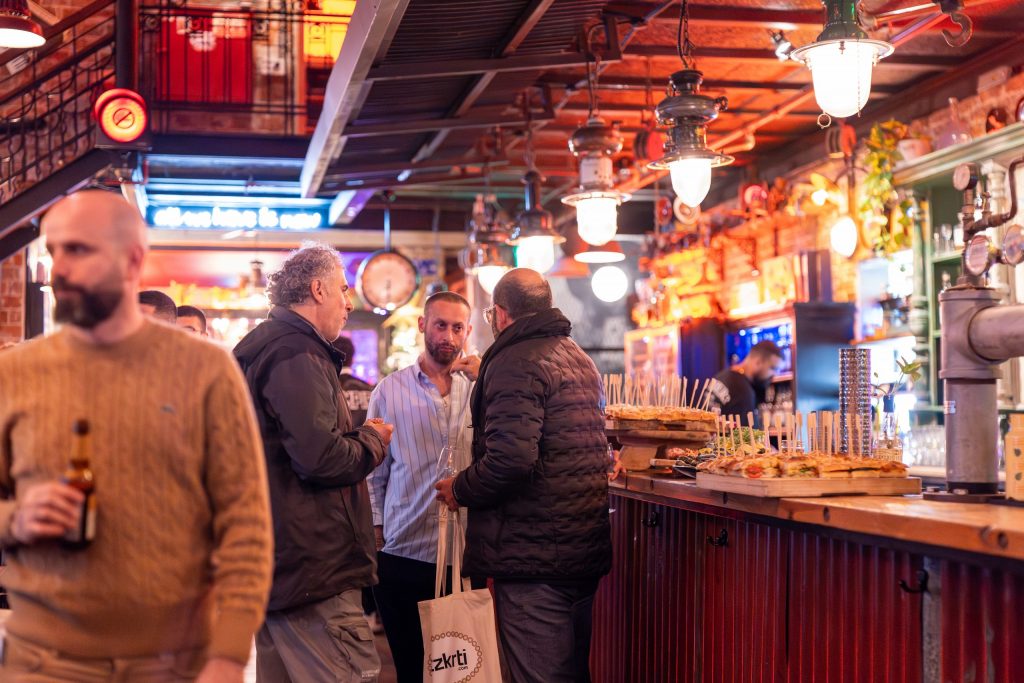
For Tzkrti, the night was an act of participation, standing alongside organizers working within unstable conditions. Live culture does not endure through tools alone, but through the persistence of those who choose to keep it going.
Clarity of Direction
There was no claim that things had returned to normal. But there was clarity about direction.
Suhail Nafar put it simply:
“There is a real hunger to know what artists here, in Palestine, are creating.”
And Habib Hanna Shhadeh added:
“It’s our responsibility to share this culture, and I see Tzkrti helping artists do exactly that.”
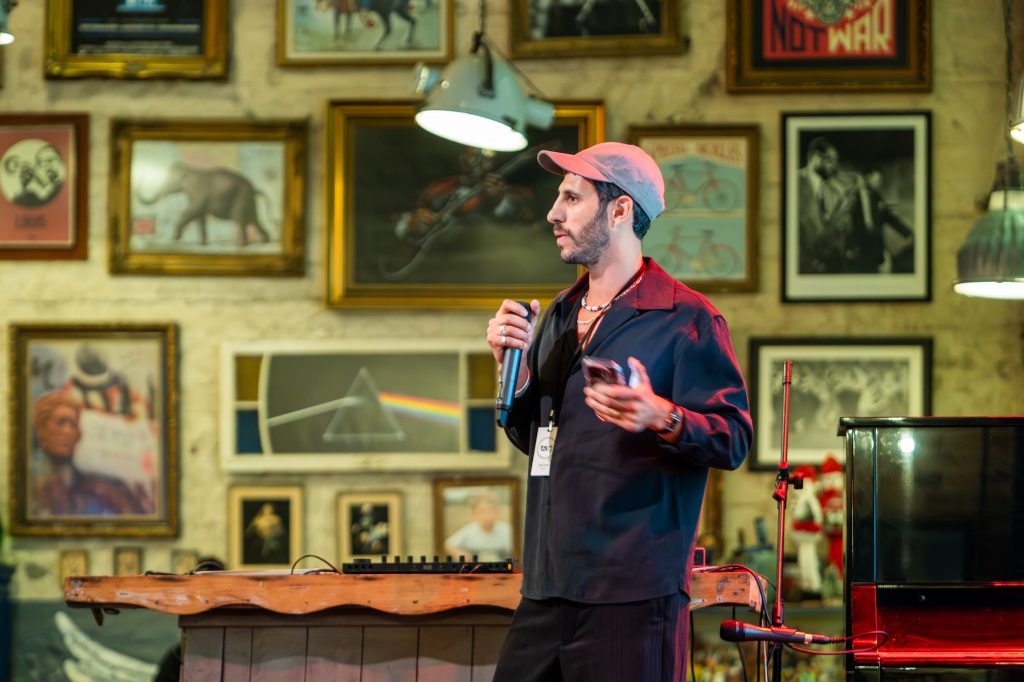
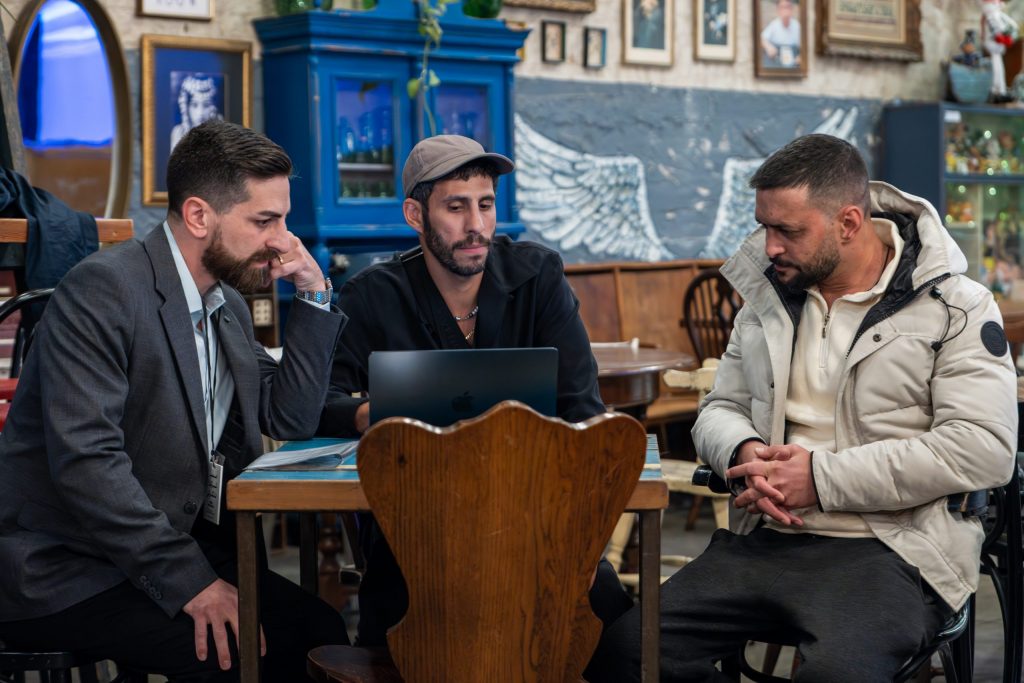
Alongside the performances, the night included a detailed presentation by Co founders, Rojeh and Elias Khleif, outlining Tzkrti’s current features, recent developments, and what lies ahead.
The emphasis remained practical: how organizers can be better supported, how audiences are changing, and how infrastructure can adapt without losing sight of context.
What emerged was an ongoing dialogue, one shaped by the people in the room and the conditions they are working within.