
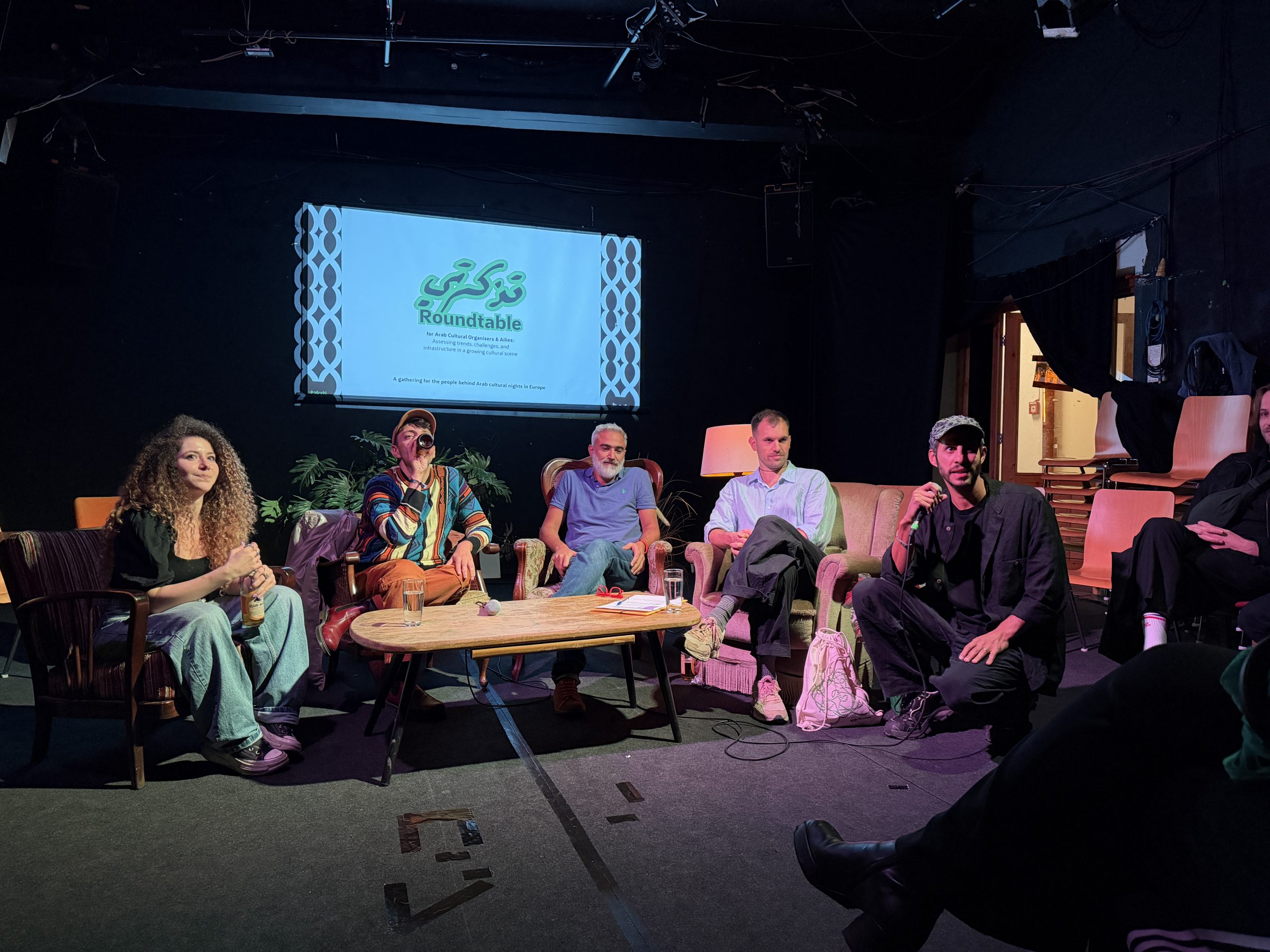
Inside Tzkrti’s Berlin roundtable on Arab cultural organising, audience trust, and the work that keeps a scene moving
Before a room fills, there is already a story.
A venue has been negotiated. A ticket price has been questioned. A post has been boosted, ignored, shared, debated. The guestlist shifts. Sales move slower than expected. Behind it all sits the organiser’s quiet question: will the room actually fill?
This is the part of cultural work that rarely appears in the final photos.
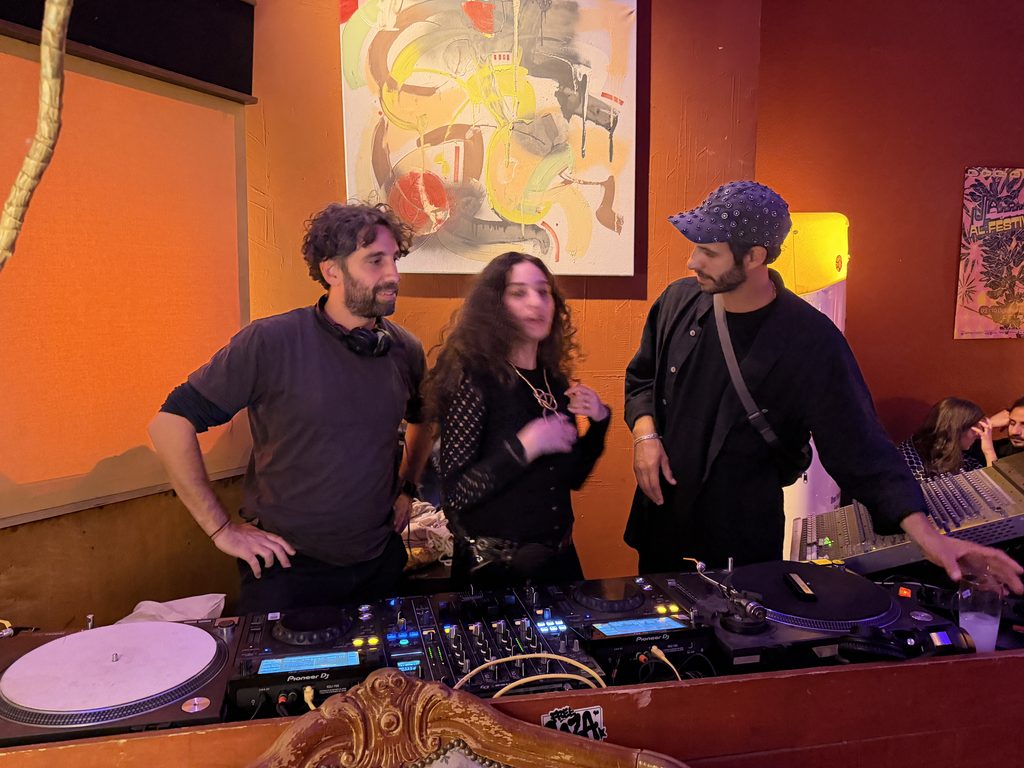
During AL.FESTIVAL Opening Night in Berlin, Tzkrti supported a focused roundtable for Arab cultural organisers, artists, promoters, venues, collectives, and allies working across the city’s growing cultural landscape.
Tzkrti and AL.FESTIVAL held the session, “Roundtable for Arab Cultural Organisers & Allies: Assessing trends, challenges, and infrastructure in a growing cultural scene,” at 90mil. It was a room for the people behind the nights to speak plainly about what it takes to make them happen.
The question running through the evening was simple:
What does this scene need in order to grow without losing itself?
A Berlin roundtable for the people behind the nights
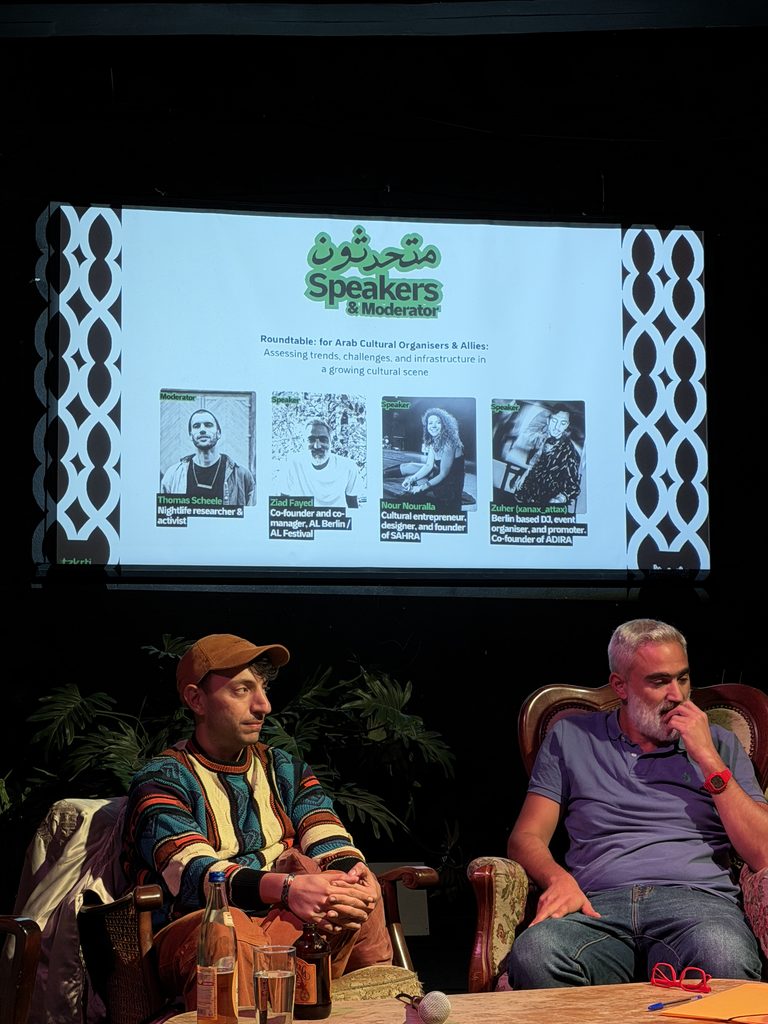
The conversation brought together three voices from Berlin’s Arab and SWANA cultural life: Zuher Jazmati, co-founder of ADIRA; Nour Nouralla, founder of SAHRA; and Ziad Fayed, co-founder and co-manager of AL.Berlin / AL.FESTIVAL.
Thomas Scheele moderated the session and helped keep the conversation open, attentive, and grounded.
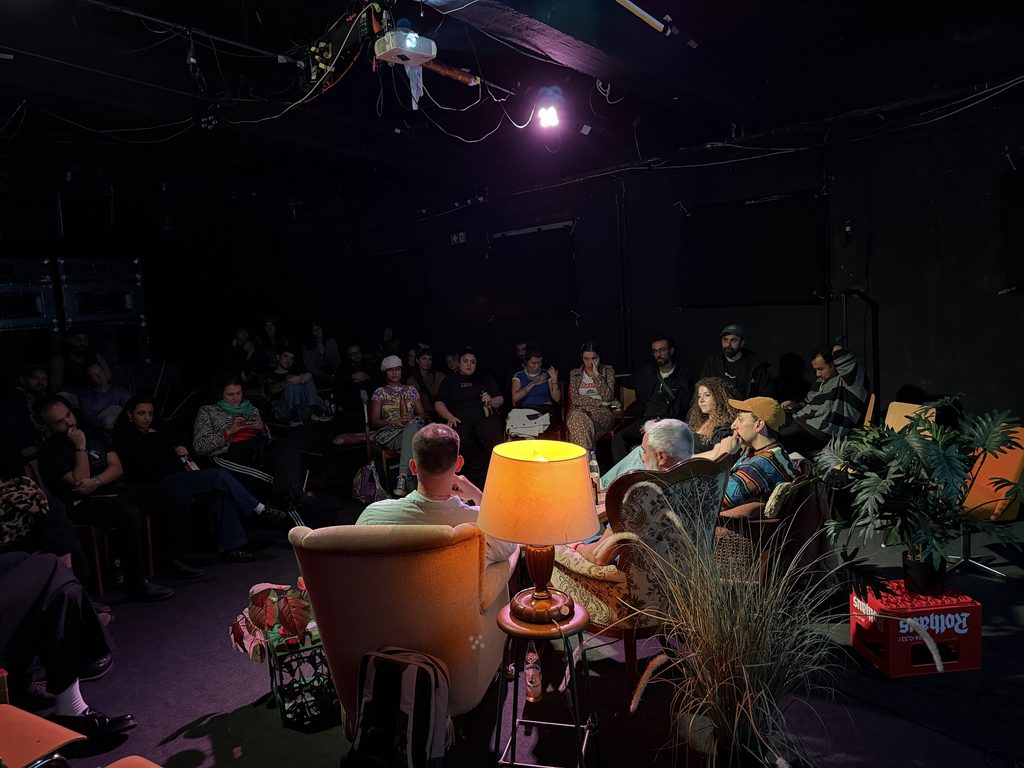
The tone was open, direct, and at times very practical. This mattered, because the questions were not abstract. They came from people who book venues, sell tickets, handle artists, manage doors, answer DMs, and carry the risk when an event does not land.
- How do you price a night without shutting people out?
- What does promotion look like when culture cannot be reduced to content?
- Where does trust begin with audiences that have become more careful, more critical, and harder to reach?
- What happens when venues do not fully understand the room organisers are trying to build?
- And how can an event grow without becoming generic?
These kind of questions decide what kind of scene gets to exist.
What organisers deal with before the audience arrives
The roundtable focused on three areas: operational pressure, audience trust, and the systems organisers need in order to keep going.
The first was the practical side of making events: venue access, promotion, pricing, ticketing, guestlists, and the decisions that happen before anyone arrives.
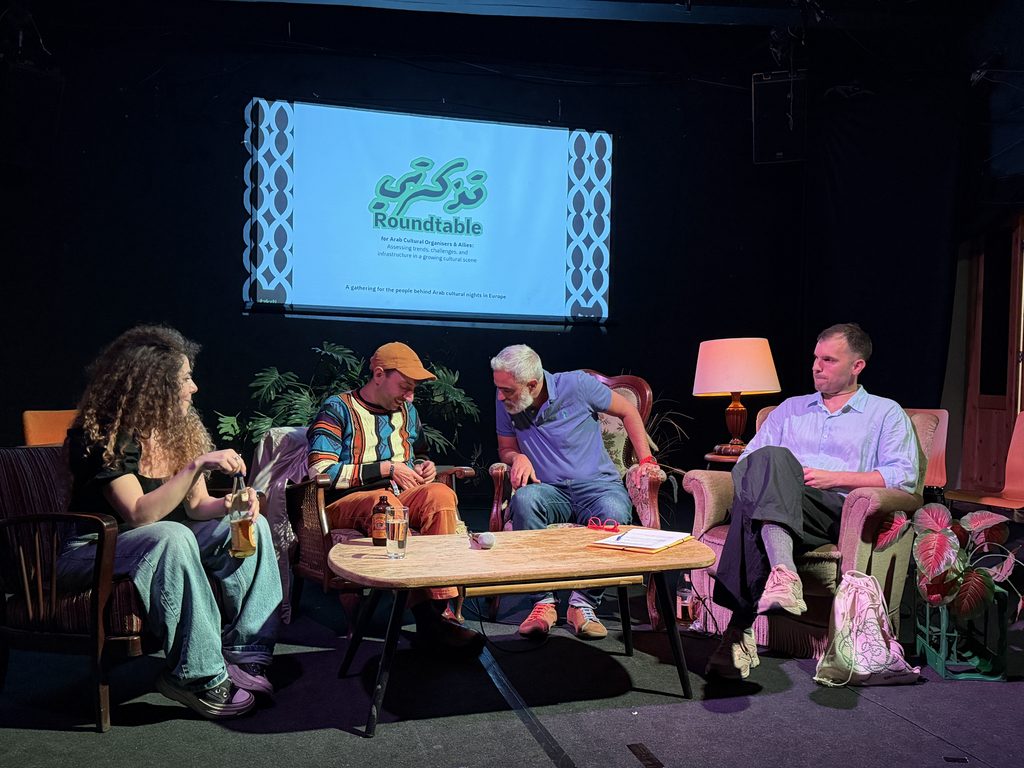
From the outside, these things can look technical. For organisers, they are emotional and political too. A venue changes the mood. A ticket price changes who feels invited. A guestlist can create pressure at the door. A weak promotion cycle can turn a strong idea into a half-empty room.
A cultural event is never only what happens on stage. It is the full chain of choices that makes the room possible.
Why audience trust matters more than reach
The second part of the conversation turned to audience trust.
For Arab and SWANA organisers in Europe, trust is not automatic. Audiences before buying a ticket, they are reading the signals. Who is behind this? Who is this for? Will the room feel right? Will the culture be handled with care? Is this worth showing up for?
That kind of trust cannot be built by reach alone.
Platforms can help an event appear in the feed. They cannot guarantee that people will commit, return, or bring others with them. That work happens through consistency: the way an event is communicated, priced, hosted, and remembered after it ends.
In that sense, the ticket which might be considered by some as just a transaction, is often the first moment of commitment between the audience and the organiser.
How independent events grow without losing their identity
The final part of the conversation looked at growth.
Many independent organisers know how to create energy. They know how to gather people around music, identity, language, nightlife, performance, and memory. But once the room grows, energy is no longer enough.
Growth needs habits. It needs systems. It needs better entry flow, clearer communication, usable data, and time to understand what actually happened after the event ends.
- Who bought early?
- When did people wait until the last minute?
- Which message moved them?
- Did the audience come back?
- Where did the pressure build?
These questions are not cold or corporate. They are part of how cultural work survives.
The danger is not growth itself. The danger is growing in a way that disconnects the organiser from the audience, the event from its identity, or the scene from the people who built it.
Why Berlin became the right place for this conversation
Berlin gave the conversation its own tension.
The city is home to some of the most active Arab and SWANA cultural work in Europe, from club nights and concerts to festivals, collectives, and experimental formats. But it is also a city of rising costs, venue pressure, fragmented audiences, and constant competition for attention.
For organisers, this creates a difficult balance. The scene is growing, but the systems around it are still being built.
That is what made the roundtable useful. It was a chance to ask what kind of support, knowledge, and infrastructure are needed so that Arab cultural events in Europe can become stronger without becoming less specific.
How Tzkrti supports the infrastructure behind cultural events
For Tzkrti, supporting this conversation is part of a wider belief: ticketing sits inside cultural infrastructure.
It is connected to pricing, access, audience behaviour, communication, entry, post-event learning, and long-term trust. It is one of the places where the audience relationship begins to take shape.
The goal of the Berlin roundtable was to support a room where organisers could step out of production mode and speak honestly about what the work requires.
Because the people building the scene rarely need another slogan. They need better rooms, better tools, better information, and more chances to learn from each other.
What future roundtables can build on
The conversation showed a clear need for more spaces where organisers, artists, venues, promoters, and cultural partners can compare experiences without performing success. Future editions can go deeper, bring in more cities, and give even more room to audience-led discussion.
As Arab cultural events continue to grow across Europe, the question is no longer only how to fill the room.
It is how to build the conditions that allow the room to return.
Before the doors open, the scene is already at work.