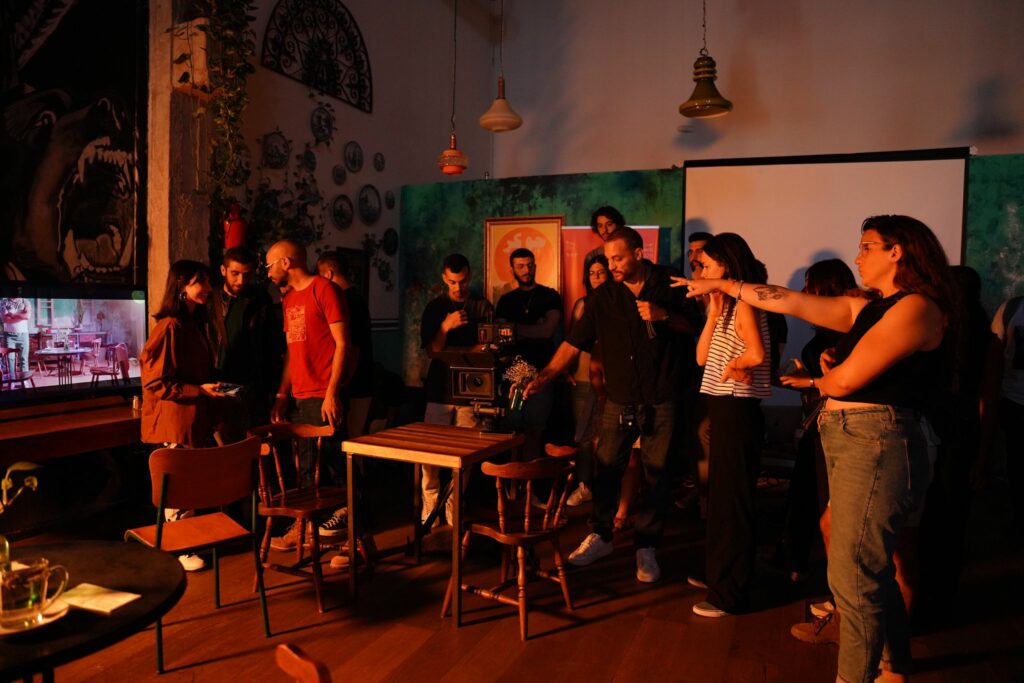
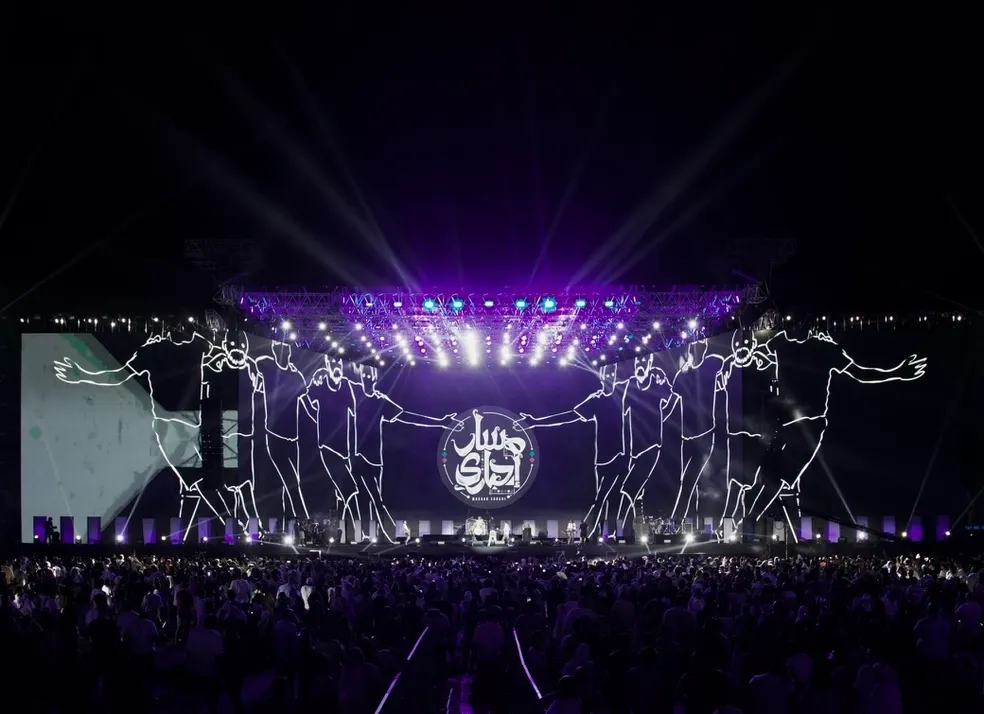
In the early 2000s, a new wave of Arab musicians began building scenes outside the traditional music industry. What followed offers interesting lessons for today’s event organizers.
Why This Story Matters to Event Organizers Today
Live music in the Arab world has never functioned as background noise.
It has always been tied to identity, politics, belonging, and collective emotion, whether explicitly or not.
Understanding the rise of Arab alternative music isn’t about documenting a genre. It’s about understanding how audiences form loyalty, how scenes grow without mainstream backing, and why some events turn into movements while others disappear the next day.
For event organizers, this isn’t theory. It’s a playbook.
And for Tzkrti, this story sits at the core of what live events actually are: shared cultural infrastructure, not just tickets and doors.
A Note on Perspective
This article is written from the perspective of someone who stood in the crowd.
From a Palestinian experience of attending shows in small rooms, improvised venues, half-functioning sound systems, and nights where the music mattered more than the setup. Nights where people came because it felt necessary to be there.
This is not a definitive history. It’s not a ranking of the “most important” artists.
The names and moments here were chosen because they demonstrate how scenes are built and how trust between artists, organizers, and audiences is formed.
If some major names are missing, that’s not intentional. This is not an archive, it’s a lens designed for organizers who want to build something that lasts.
Before the 2000s: The Ground Was Already Set
Long before the term alternative music became common, earlier generations were already testing its foundations.
In the 1970s, Ziad Rahbani blurred the line between music, theatre, and political commentary, turning performances into conversations rather than spectacles.
In the 1980s, Marcel Khalife reshaped the idea of the committed song, making concerts emotionally charged and politically resonant without relying on slogans.
Al-Asheqeen transformed Palestinian folk music into a living memory, songs that people didn’t just listen to, but carried with them.
By the 1990s, artists like Sabreen and Kamilya Jubran pushed sound experimentation further, while groups such as Firqat Al-Shati’ remained closely tied to national and social expression.
These projects weren’t mainstream successes, but they taught something crucial:
audiences will follow honesty long before they follow trends.
The 2000s: When a Scene Finally Took Shape
The early 2000s marked a shift.
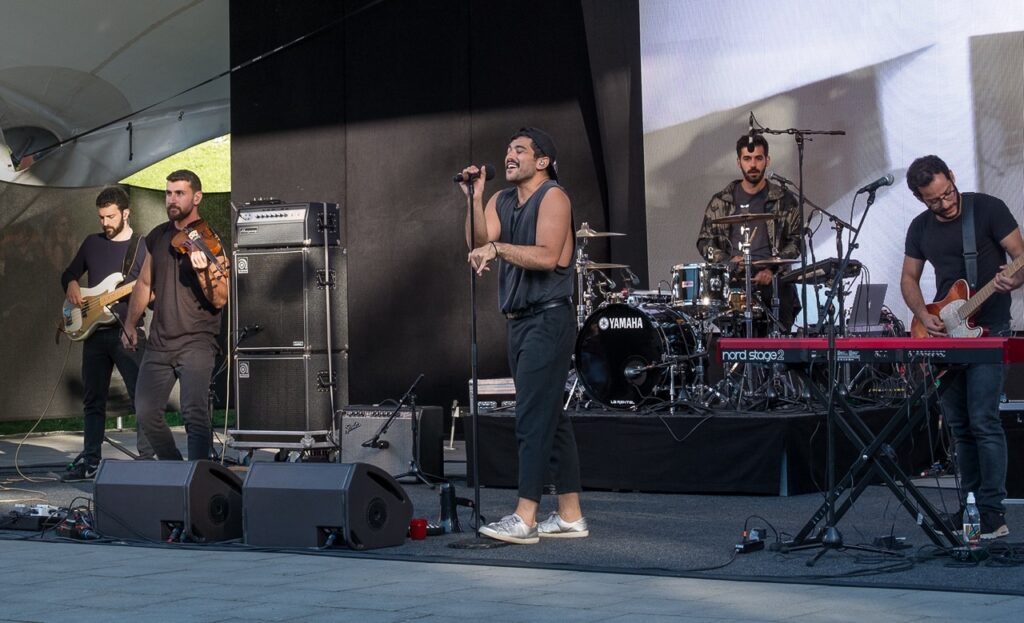
Arab alternative music stopped being a series of isolated experiments and started to look like a connected ecosystem, multiple paths, same intent.
Songs That Sounded Like Real Life
In 2005, Massar Egbari came out of Alexandria singing about work, relationships, frustration, and everyday anxiety. Their shows felt familiar, not because they were simple, but because they were truthful.
A few years later, Mashrou’ Leila built a different model. Their concerts became spaces where people gathered around shared questions of identity, freedom, and expression.
What organizers can learn here:
People don’t return because the lineup was good. They return because the event felt like it spoke their language.
Rap: When the Mic Became the Message
At the same time, another pillar of the alternative scene was forming: rap.
In the late 1990s and early 2000s, Tamer Nafar and DAM introduced Arabic rap that wasn’t borrowed or adapted, it was rooted. Direct language, local references, and a refusal to soften the message.
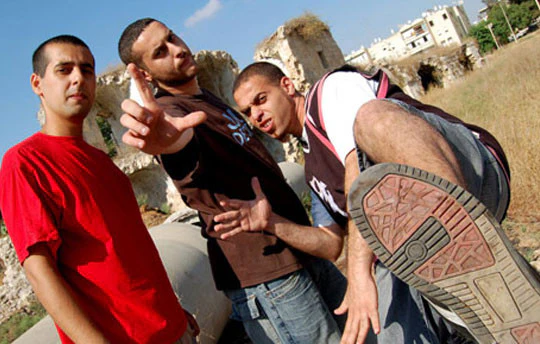
DAM’s concerts weren’t performances in the traditional sense. They were collective moments, the crowd knew the words, responded, challenged, and owned the space.
This wasn’t about production budgets. It was about clarity and relevance.
Later, Muqata’a expanded this approach, treating rap as a flexible form, blending sound, space, and experimentation. By the end of the decade, it was no longer about individuals. It was about a scene.
The Ramallah Independent Scene
Small venues. Temporary spaces. No institutional backing.
Just consistency, trust, and an audience that showed up because it mattered.
This scene didn’t grow through radio or television. It grew through presence, recordings, and direct digital circulation, long before “content strategy” became a buzzword.
Expanding the Language of the Scene
During the same period, other projects widened the definition of alternative music:
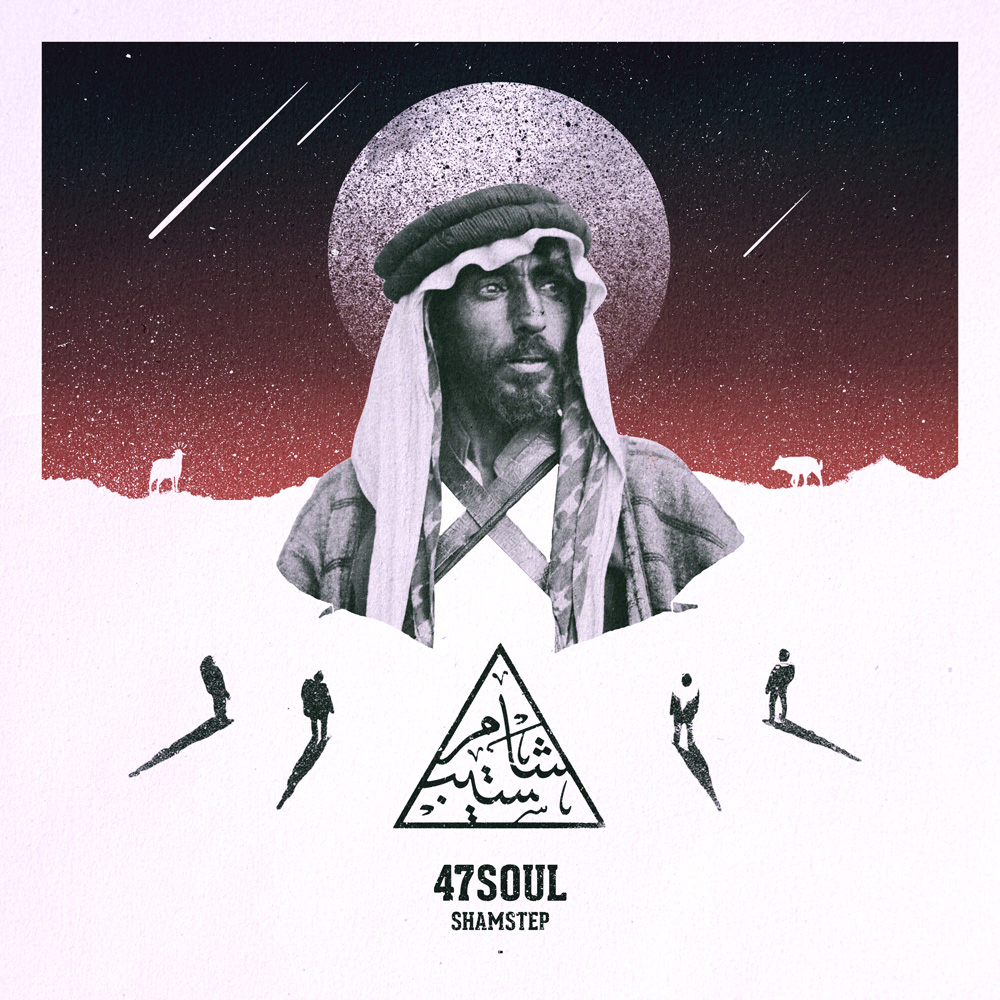
- 47Soul fused dabkeh with electronic rhythms, turning traditional movement into a global dance language.
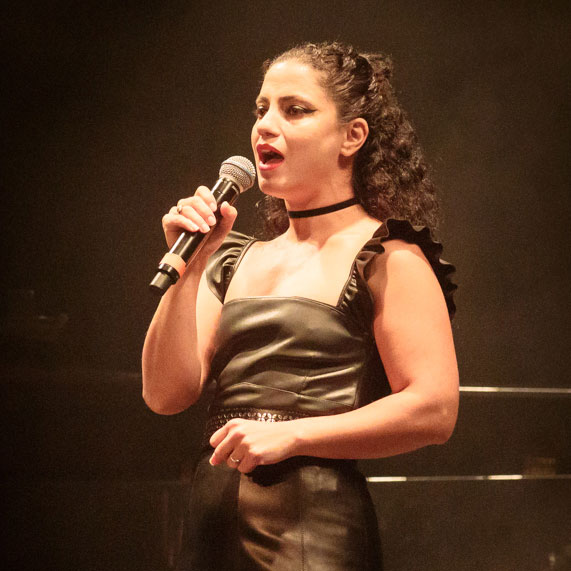
- In Tunisia, Emel Mathlouthi’s “Kelmti Horra” transformed concerts into shared emotional and political moments, where the audience wasn’t watching history — they were inside it.
These weren’t genre experiments. They were audience experiments, testing how far connection could go.
What This Era Teaches Event Organizers
| Insight | What It Means in Practice |
| Identity matters | People commit to events that reflect who they are |
| Narrative builds loyalty | A clear story outlives marketing campaigns |
| Space shapes meaning | Where something happens matters as much as what happens |
| Digital reach isn’t optional | These scenes grew without traditional media |
Tzkrti’s Role: Infrastructure, Not Interference
Tzkrti doesn’t exist to dictate culture.
It exists to support it without flattening it.
The history of Arab alternative music makes one thing clear: audiences are not passive. They are collaborators.
When a concert becomes a memory, it’s because the artist, the organizer, and the audience were aligned, and the infrastructure didn’t get in the way.
Tzkrti’s role is to provide the systems that make this alignment easier:
- access for artists outside traditional pipelines
- visibility for events that rely on trust, not hype
- cross-border reach without erasing local context
For organizers, the message is simple:
you’re not just filling a calendar. You’re shaping part of the cultural record.
Tzkrti is here to make that work sustainable, quietly, reliably, and with respect for the scenes that make live events matter in the first place.